Mobile Integrated Healthcare Symposium
Mobile Integrated Health Program
Mobile Integrated Health Program Overview
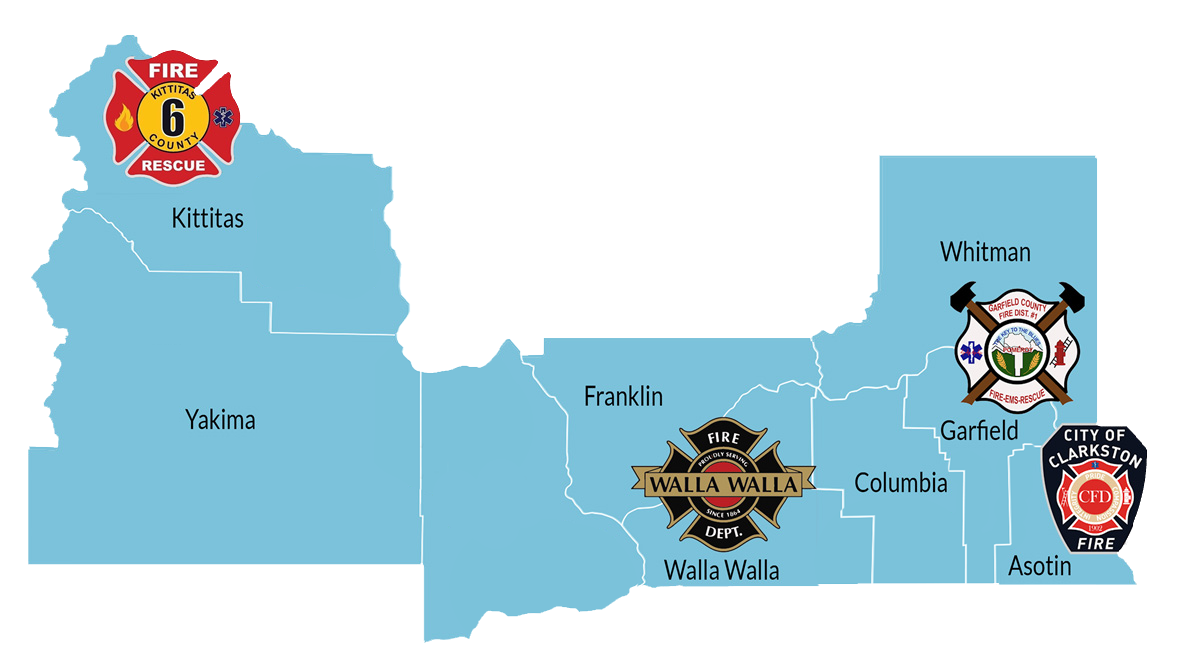
Mobile Integrated Health (MIH) Program, a year after Greater Health Network (GHN) introduced it, marks a significant stride in healthcare delivery. The MIH program saw successful collaborations with nine regional fire departments, focusing on diminishing non-critical 911 calls and unnecessary visits to the emergency department.
Investment in community alliances has been pivotal, engendering stronger ties with local organizations, medical facilities, and service providers to ensure an efficient allocation of resources and prevent service duplication. Community Paramedicine, while not entirely novel, is experiencing a transformative expansion within our region. Notable developments include a reported 33% reduction in non-emergent EMS calls by one of the fire departments, underpinning the program’s effectiveness in communities and the healthcare system. With year two dawning, the fire departments are poised to fortify and expand their CP programs.
The goal is to reinforce their impact on patients, the wider community, and the healthcare ecosystem at large. Community Paramedics proactively engage challenges at their source, endeavoring to root out and tackle fundamental health issues. Their strategic initiatives are instrumental in enhancing patient health and curtailing the excessive use of emergency resources. The spectrum of services launched by the fire departments encompasses a comprehensive approach, ranging from health
and social needs screenings to risk and fall evaluations.
These services also extend to resource navigation—identifying providers for primary care, ensuring food security, and issuing emergency housing vouchers. Moreover, apart from facilitating transportation for patients to attend appointments, the program supports medication adherence and offers thorough discharge planning. Community paramedics also conduct home visits for safety checks like smoke alarm replacements and building ramps for accessibility. Preparing homes for a comfortable transition post-hospitalization or rehabilitation facility discharge is another facet of
these invaluable services.
To learn more about Mobile Integrated Health watch our learning collaborative HERE.
Mobile Integrated Health Resources
Learning Collaborative Video: To learn more about Mobile Integrated Health watch our learning collaborative HERE.
Podcast: Care & Consequence: Perscpectives on a Social Care Network. Subscribe and listen on all major podcast platforms!
Episode 2. Mobile Integrated Health: What is it? Listen HERE Ep. 3: Mobile Integrated Health: Candid Feedback from Danielle Bertschi of Kittitas Fire District 6. Listen HERE.
Article: Dear Payers: Stop Asking If MIH Works. Start Asking Why You’re Not Paying for It. HERE
Mobile Integrated Health Program Sites
- City of Clarkston Fire Department -Asotin
- City of Walla Walla Fire and Ambulance Department
- Garfield County Fire District #1
- Kittitas County Fire Protection District 6
AGENDA - 2025 Mobile Integrated Healthcare (MIH)
AGENDA – 2025 Mobile Integrated Healthcare (MIH)
The Agenda will Feature:
- A panel of MIH program leaders, showcasing diverse and innovative models in action across Washington.
Facilitated roundtable discussions to support peer learning, idea exchange, and relationship-building among attendees. - A report-out from the Washington State Auditor’s Office on the findings of their recent Performance Audit of Mobile Integrated Healthcare programs.
- A presentation from BHCore, highlighting their work with MIH teams across the state and sharing key learnings and data insights.
- Sessions designed to grow knowledge and deepen understanding around key topics, including:
- Aging in place and the role of MIH in supporting older adults.
- Considerations for pediatric populationswithin MIH models.
See full agenda HERE
2025 MIH Symposium Presentations
Breakout Session 1 Slides Linked Below:
Youth Support in Washington State: Wraparound with Intensive Services (WISe)
Results of the audit Reducing Nonemergency Use of Emergency Systems
Breakout Session 2 Slides Linked Below:
BHCore at the University of Washington: Advancing MIH in Crisis Response
Dementia Demystified: Front-Line, Real-World Care